
YUJI ITAYA




YUJI ITAYA
YUJI ITAYA, 1939
13892-BK
(19.1 x 26.7 cm)
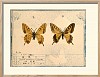
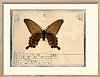
Aichi Prefecture, Japan A suite of 95 unique scale transfer specimen prints on paper (49 butterflies, 46 moths), title page, introduction pages and with additional drawing and collage. The first section, on butterflies, contains 49 impressions, shown here with the original title page. Some pages present two sets of wing impressions, showing both the upper and lower surfaces of the wings. These 49 impressions are further enhanced with original compositions executed in the spatter technique using paper silhouettes of butterflies on each page. The second section, on moths, contains 46 impressions, also with some pages showing two sets of wing impressions. Each specimen page features a printed border in silk-screened variants, with a pair of drawn butterflies at the top corners and a table for specimen information at the bottom. The work includes a collaged title page and a ten-page introduction covering the development and behavior of butterflies and moths and their place in the animal kingdom. Some pages include tipped-in photographic illustrations of the materials needed for specimen collection, along with a collecting guide enhanced with illustrations in indigo and red ink executed in the spatter technique. The rinpun (鱗粉) or scale-transfer technique — known in European sources as lepidochromy or butterfly wing transfer printing — was a historical method of recording wing patterns by transferring the scales of butterflies and moths onto paper or other surfaces. In practice, detached wings were gently pressed onto absorbent paper or paper lightly coated with an adhesive such as gum arabic, starch paste, or diluted glue. When the wing was lifted away, the scales adhered to the surface, producing a flat, mirror-image impression that preserved the insect's coloration, symmetry, and overall wing pattern without retaining the body. The technique was used by both naturalists and educators. From the eighteenth and nineteenth centuries onward, it appeared in European natural history collections as a means of documenting exact coloration before reliable color printing became available.
Price Upon Request
Aichi Prefecture, Japan
A suite of 95 unique scale transfer specimen prints on paper (49 butterflies, 46 moths), title page, introduction pages and with additional drawing and collage.
The first section, on butterflies, contains 49 impressions, shown here with the original title page. Some pages present two sets of wing impressions, showing both the upper and lower surfaces of the wings. These 49 impressions are further enhanced with original compositions executed in the spatter technique using paper silhouettes of butterflies on each page. The second section, on moths, contains 46 impressions, also with some pages showing two sets of wing impressions. Each specimen page features a printed border in silk-screened variants, with a pair of drawn butterflies at the top corners and a table for specimen information at the bottom.
The work includes a collaged title page and a ten-page introduction covering the development and behavior of butterflies and moths and their place in the animal kingdom. Some pages include tipped-in photographic illustrations of the materials needed for specimen collection, along with a collecting guide enhanced with illustrations in indigo and red ink executed in the spatter technique.
The rinpun or scale-transfer technique — known in European sources as lepidochromy or butterfly wing transfer printing — was a historical method of recording wing patterns by transferring the scales of butterflies and moths onto paper or other surfaces. In practice, detached wings were gently pressed onto absorbent paper or paper lightly coated with an adhesive such as gum arabic, starch paste, or diluted glue. When the wing was lifted away, the scales adhered to the surface, producing a flat, mirror-image impression that preserved the insect's coloration, symmetry, and overall wing pattern without retaining the body.
The technique was used by both naturalists and educators. From the eighteenth and nineteenth centuries onward, it appeared in European natural history collections as a means of documenting exact coloration before reliable color printing became available.


